
Preparing Your Child for Primary School in Kenley, South Croydon
Starting primary school is one of the biggest milestones in your child's life. It's an exciting time filled with new experiences, new friendships, and plenty of opportunities to learn and grow. It's also completely normal for both children and parents to feel a mix of excitement, nerves, and uncertainty as the first day approaches!
At Abbey Wood Grange Day Nursery, we believe preparing for primary school is a gradual journey rather than something that happens overnight. Through everyday experiences, play, and encouragement, children can build the skills they need to make a positive start to Reception and beyond.
Whether you're wondering if your child is ready for school or looking for practical ways to support them at home, this guide will help you understand what school readiness really means and how you can prepare your child with confidence.
Why Preparing Your Child for Primary School Matters
Preparing your child for primary school isn't about making them academically advanced before they even start Reception. Instead, it's about helping them feel confident, secure, and ready to embrace a new environment, new routines, and new friendships.
By introducing simple daily habits before they start school, you can help make the transition smoother and less overwhelming. Encouraging your child to dress themselves, follow simple instructions, share with others, and manage everyday routines can help them feel more independent and capable when they enter the classroom.
Children who are emotionally secure and familiar with basic routines often find it easier to settle into school life. Remember, every child develops at their own pace, and teachers expect children to arrive with different strengths and abilities. The goal isn't perfection - it's giving your child the confidence to take this exciting next step.
What Does “School Ready” Mean?
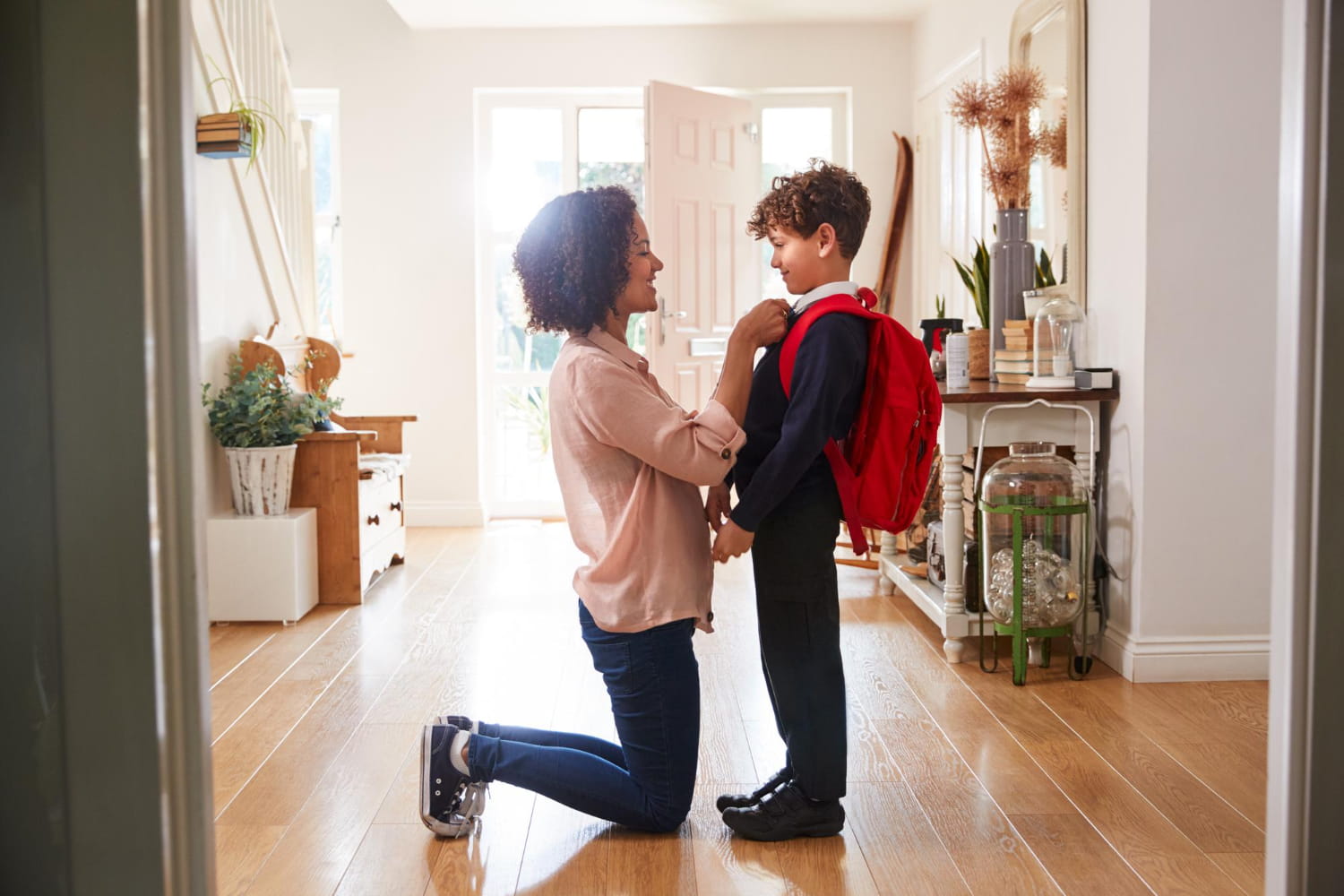
School readiness means that your child has developed the skills and confidence they need to cope with the everyday experiences of starting school. While every child is different, being school-ready is less about knowing the alphabet or being able to count and more about feeling comfortable in a classroom environment, following routines, communicating with others, and becoming more independent.
A school-ready child doesn't need to be able to read or write fluently before starting Reception. Instead, they're beginning to develop practical life skills, emotional resilience, curiosity, and a willingness to learn through play and new experiences.
It's important to remember that children continue developing these skills throughout their Reception year. The first day of school is the beginning of their learning journey, not a test of what they already know. By helping your child build confidence and curiosity, you can give them the foundations they need to settle in and enjoy all the new experiences that school brings.
What Should My Child Know Before Starting School?
Many parents wonder whether their child knows enough before starting primary school. The reassuring answer is that children don't need to know everything before they begin Reception. Teachers understand that every child arrives with different experiences, abilities, and levels of confidence.
Instead of focusing on academic achievements, it's more helpful to think about the everyday skills that will help your child feel happy and confident at school. This includes things like managing simple tasks independently, communicating their needs, listening to instructions, playing cooperatively with others, and showing curiosity about the world around them.
These skills develop gradually through everyday experiences at home, in nursery, and during play. By encouraging your child to explore, ask questions, solve problems, and become more independent, you're helping them build the foundations they'll continue to develop throughout their first year at school.
Let’s explore some of the key areas that support school readiness and simple ways you can help your child prepare:
Basic Independence Skills
One of the biggest changes children experience when they start school is learning to do more for themselves. While teachers are there to support every child, they also encourage children to become increasingly independent throughout the school day.
Simple tasks such as putting on a coat, washing their hands, using the toilet independently, and opening their lunchbox can help children feel more confident in their new environment. Encouraging these skills at home through everyday activities helps build confidence over time. Remember, the goal isn't perfection. It's helping your child feel confident enough to have a go.
Communication and Listening Skills
Good communication helps children express their needs, ask questions, and build positive relationships with teachers and classmates. Listening is just as important as it helps children follow simple instructions, join in with activities, and take turns during conversations.
You can support these skills by talking with your child throughout the day, reading together, singing songs, and encouraging them to share their thoughts and feelings. Every conversation helps build the confidence they'll take with them into the classroom.
Early Social Skills
Starting school means becoming part of a new community, so learning to play and interact with others is an important part of school readiness. Skills such as sharing, taking turns, showing kindness, and beginning to understand other people's feelings all help children build friendships and feel included.
These skills develop over time through everyday play and social experiences. Encouraging your child to play with others, talk about their feelings, and practise taking turns at home can help them feel more confident as they settle into school life.
Early Learning Skills
Children learn best through everyday experiences, and those early moments of discovery help build the foundations for future learning. Reading together, recognising colours and shapes, counting during play, singing nursery rhymes, and exploring the world around them all support their development.
The most important thing is to make learning enjoyable. By encouraging curiosity, asking questions, and giving your child opportunities to explore through play, you'll help them develop the confidence and enthusiasm they'll take with them into the classroom.
Reception Readiness Checklist
Every child develops at their own pace, so don't worry if your child isn't confident with every skill yet. This checklist is simply a guide to some of the areas that can help children feel more prepared when they start school.
- Uses the toilet independently.
- Washes and dries their hands.
- Puts on and takes off their coat and shoes.
- Follows simple instructions.
- Listens and joins in during conversations.
- Takes turns and shares with others.
- Recognises their own name.
- Holds a pencil or crayon comfortably.
- Enjoys looking at books and being read to.
- Is curious, asks questions, and enjoys learning through play.
How Can I Prepare My Child for Primary School?
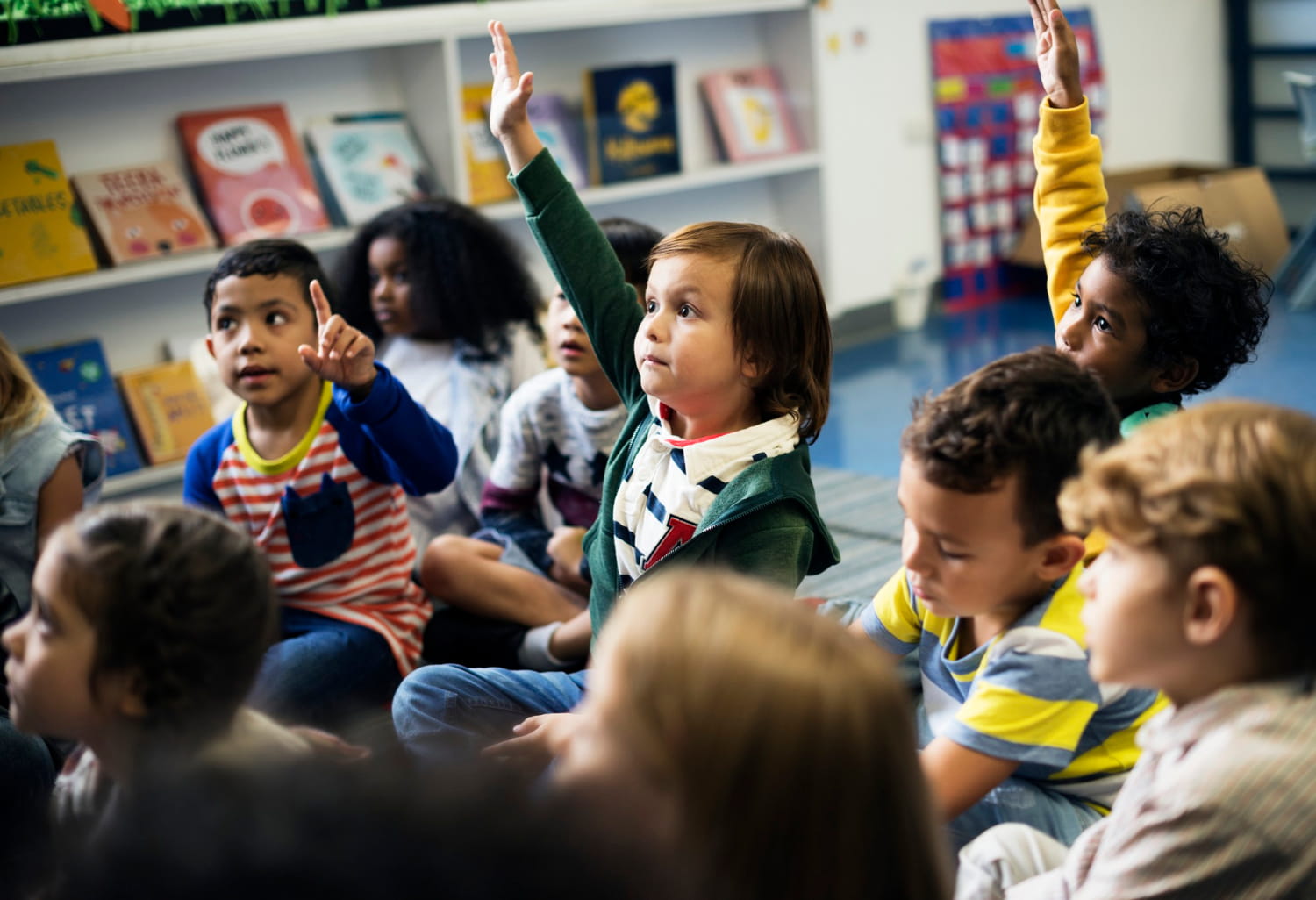
There are plenty of simple ways to help your child feel more prepared for starting school. Small, everyday activities can make a big difference to their confidence and independence.
Build a Simple Morning Routine
Getting into a consistent morning routine before school starts can help your child know what to expect. Practising getting dressed, eating breakfast, and leaving the house on time can make those first few weeks feel much less overwhelming.
Encourage Independence
Give your child opportunities to do simple tasks for themselves, such as getting dressed, packing their bag, or tidying away their toys. These small moments help build confidence and encourage them to become more independent.
Read Together Every Day
Reading together helps develop language, listening, and early literacy skills, while also encouraging a love of books. Even ten minutes of reading each day can have a positive impact.
Practise Playing and Sharing
Playing with other children helps your child learn valuable social skills, from sharing and taking turns to communicating and solving problems together. Regular opportunities to play with family or friends can help them feel more confident when they begin making new friendships at school.
Supporting Children with Additional Needs
Some children may need extra support as they prepare for primary school, and that's perfectly okay. School readiness isn't the same for every child, so it's important to focus on the support and encouragement that will help them feel confident as they take this next step.
If you have any questions or concerns about your child's development, speaking to their nursery, health visitor, or future school can help ensure the right support is in place. Working together can make the transition to primary school a positive experience for both you and your child.
How Nursery Can Help With Getting Ready for Primary School
A good nursery provides children with opportunities to develop the confidence, independence, and social skills they'll use every day at school. Through play-based learning, structured routines, and everyday activities, children gradually build the foundations they need for a positive transition to Reception.
At Abbey Wood Grange's pre-school, we support children as they develop these skills at their own pace, helping them grow in confidence while encouraging curiosity, communication, and independence. By working closely with families, we aim to make the move to primary school as smooth and enjoyable as possible.
Final Thoughts
Starting primary school is an exciting milestone, and with the right support, children can approach it with confidence and curiosity. Remember, school readiness isn't about ticking every box. It's about helping your child develop the independence, communication, and social skills that will support them as they begin this new chapter.
If you're looking for a nurturing environment where your child can build confidence, make friendships, and prepare for school through play, Abbey Wood Grange Day Nursery is here to help. If you'd like to find out more about our approach or arrange a visit, contact us to speak with our friendly team.
FAQs
-
What Age Do Children Start Primary School in the UK?
Most children in England start primary school in Reception during the September after their fourth birthday. For many families, this means starting school when their child is four years old, although some children may turn five during their Reception year. Parents should check their local authority's admissions process and application deadlines to ensure they secure a school place on time.
-
How Do I Know If My Child Is Emotionally Ready for Primary School?
Every child develops at their own pace, so there is no single sign that shows a child is completely ready for school. However, many children are ready to start primary school when they can separate from parents or carers for short periods, communicate their needs, follow simple instructions, and cope with small changes to their routine. It's also important to remember that feeling nervous about starting school is completely normal, and children often build confidence as they settle into their new environment.
-
Does My Child Need To Be Able To Read Before Starting Primary School?
No. Children are not expected to be fluent readers before starting Reception. While an interest in books, stories, songs, and rhymes can provide a helpful foundation, primary schools are designed to teach children how to read and write. Encouraging a love of learning and regularly reading together at home can be more beneficial than focusing on formal reading skills before school starts.
-
How Can Nursery Help Prepare Children For Primary School?
Nursery can play an important role in helping children develop many of the skills they will use when they start school. Through structured activities, group play, and daily routines, children have opportunities to build confidence, improve communication skills, develop independence, and learn how to interact with others. Nursery environments also help children become familiar with following instructions, participating in activities, and spending time away from parents or carers, which can make the transition into Reception feel more natural.
-
What Should I Do In The Weeks Before My Child Starts School?
The weeks leading up to starting school can be a good opportunity to introduce simple routines and build familiarity with what to expect. Parents may find it helpful to practise morning routines, encourage children to dress themselves, talk positively about school, read books about starting school, and make sure belongings are labelled and ready. Small steps like these can help children feel more confident and prepared when their first day arrives.
Latest Articles
-
 Preparing Your Child for Primary School in Kenley, South Croydon
 -
Common Nursery Interview Questions & How To Answer Them
-
Applying for Nursery: When, How, and How to Improve Your Chances
-
What Is the EYFS Statutory Framework?
-
Childminder vs Nursery: What's Best For My Child?
-
Fun Things to Do in Croydon With Kids
